
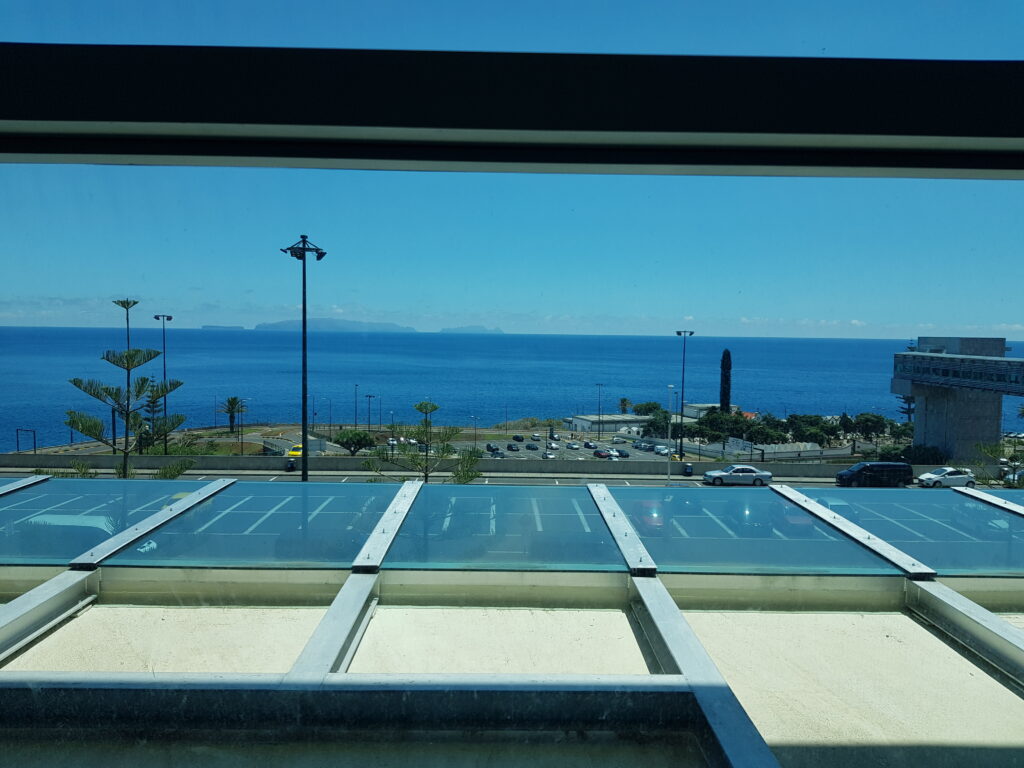
Four days after my 19th birthday, I moved to a Portuguese island in the middle of the Atlantic Ocean.
I wasn’t exactly sure what I was going to do there. I had an approximate plan — build something online, figure out the details as I go — but no clear roadmap. What I did have was a head full of ideas from people like Gary Vee, Grant Cardone, and Sam Ovens, all saying the same thing: stop waiting, get out of your comfort zone, and build something yourself.
Madeira — specifically Funchal, the island’s capital — became my first taste of real independence. And for a while, it was everything I’d imagined. But then it became something I didn’t expect at all: one of the hardest chapters of my life.
This is the story of what happened, what I lost, and what I eventually learned about what “freedom” actually means.
Why I Left
I grew up in a small town in Hesse, not far from Frankfurt. There’s not much there — no startup scene, no ambitious people my age, no reason to stay if you want to build something with your life. I hated it.
By 17, I already wanted out. While everyone around me was focused on the traditional path — university, getting a job, retirement at 67 — I was reading books that rewired my brain entirely. The Compound Effect. The Millionaire Fastlane. Think and Grow Rich. Rich Dad Poor Dad. Awaken the Giant Within. Each one was like a software update for how I saw the world. Once you understand beliefs, compounding, leverage, and how money really works, you can’t unsee it.
The problem was that nobody around me had gotten that update. Friends, family, school — everyone operated on the old programming. The message was always the same: stay safe, follow the system, don’t take risks.
It wasn’t that I had it all figured out. I’d actually visited Madeira for two weeks when I was 18 — a scouting trip, basically — and something about the island stuck with me. The weather, the pace, the feeling that this could be a place to build from. So when I turned 19, I went back. This time, not as a visitor.
Landing in Funchal
I love sun. I genuinely need it to function. German winters destroy me — months of grey skies, freezing temperatures, darkness by 4 PM. It drains my energy, my mood, everything. So landing in Funchal felt like stepping into a different reality.
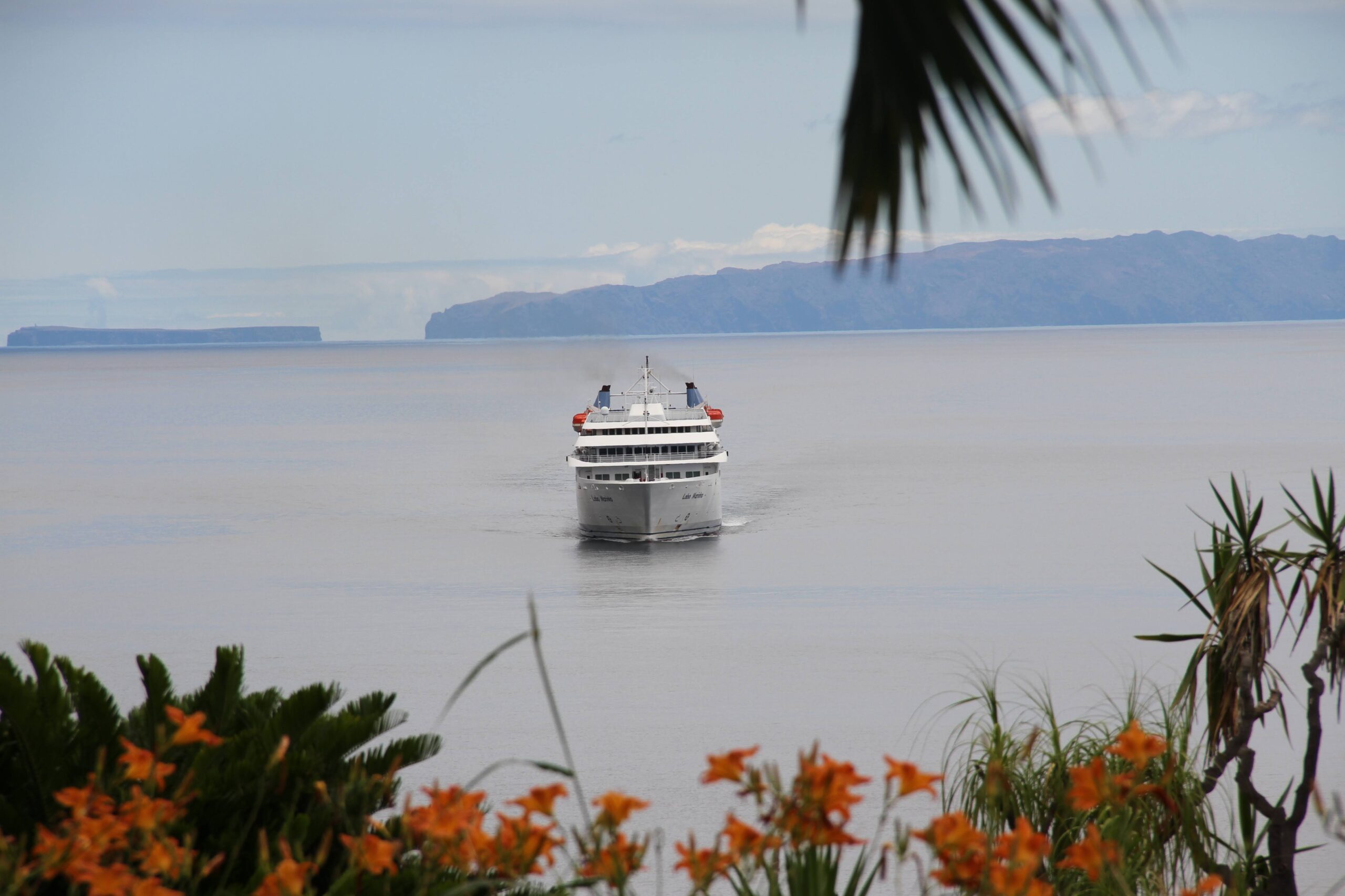
Funchal sits on volcanic cliffs on an island about 1,000 kilometers off the coast of Africa. The weather is perfect, it’s sunny and warm year-round. Even in “winter,” you’re walking around in a t-shirt while your friends back home are scraping ice off their windshields at 6 AM.
I found an apartment that, looking back, was almost too good for a 19-year-old. Separate bedroom, separate kitchen, a balcony with a view. A gym right next door. An outdoor pool on the property. The rent was around 700 euros a month — in Frankfurt, you’d easily pay over 2,000 for something comparable.
But the thing I didn’t fully appreciate until years later was the silence. The apartment was impossibly quiet. No traffic noise, no neighbors blasting music, no one vacuuming at 7 AM. Just stillness. Coming from a house where I never had real peace, that silence was a gift I didn’t know I was receiving.
The Good Parts
There were genuinely beautiful moments on that island.
I love spontaneous encounters with strangers — the kind of stuff you see from Yes Theory, Discover Connection, or ThatWasEpic. Moments where you meet someone you didn’t plan to meet and something real happens. Madeira gave me one of those.
One night, my friends and I were at a club in Funchal — a place called Dubai Club, which is as random as it sounds — and we met a group of strangers from southern Germany. They’d rented a finca in a nearby town for a few days. So we just… drove out there. Spontaneously.
On the way, one of my friends got carsick and we had to pull over on the highway. One or two cars actually stopped behind us to check if we were okay. Just strangers pulling over at midnight on a Portuguese island to make sure some strangers are alright. That’s Madeira for you.
We spent the rest of the night sitting outside the finca, talking under the stars with people we’d met two hours earlier. No agenda, no networking, no exchange of phone numbers. Just people connecting because they wanted to. I’m genuinely grateful for moments like that — the kind of spontaneous human connection that most of us design out of our lives.
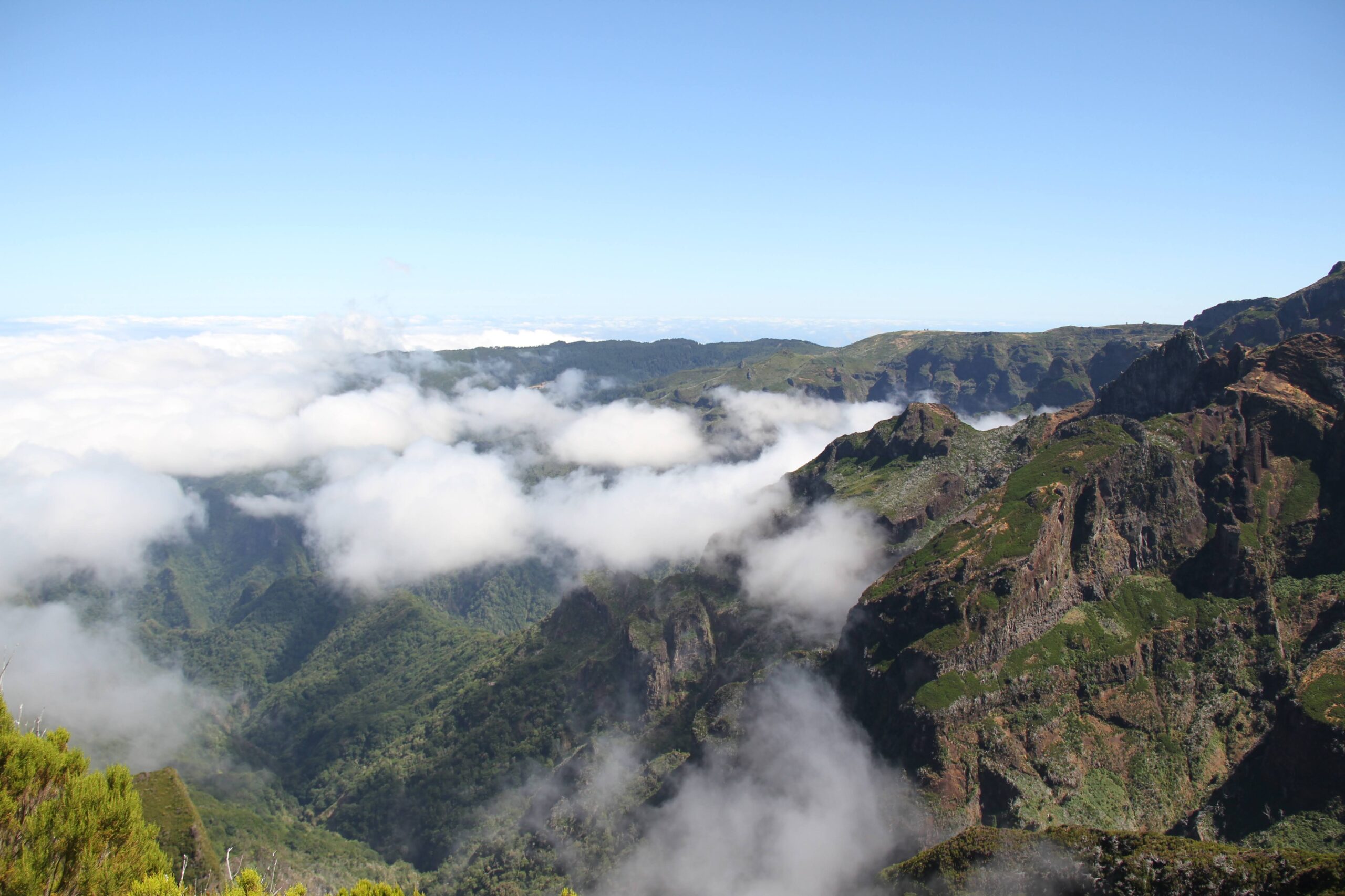
The landscape was stunning too. Black sand beaches, volcanic mountains you could drive up to and look down at the clouds below you. I had the whole island to explore. In theory.
What Went Wrong
Here’s the part I don’t like talking about.
It wasn’t one thing that broke it. It was several things hitting at once.
The pandemic. It was 2020. COVID hit right as I was settling in. The island locked down. The gym closed. The few social opportunities dried up completely.
The social side. I actually like phases of being alone and building — I still do. Business often comes first for me, and I genuinely enjoy the solitude of deep work. So being alone wasn’t the problem. The problem was that my networking and approaching skills were basically non-existent at that age. I didn’t know how to build connections from scratch. There were no other expats my age, and most locals spoke good English, so the language wasn’t even a barrier. I just didn’t have the social skills yet to put myself out there. It wasn’t the island — it was me.
Conflicts. There were other Germans on the island, and there was drama — the kind I never asked to be part of. But it found me anyway.
Personal issues. Before I left for Madeira, I had to leave my dog behind. I loved him, so it was no easy choice. While I was on the island, he was euthanized. On top of that, the lockdown brought back old feelings of love that I realized I hadn’t fully dealt with before leaving.
Wasting time. And then there was me. I had the ambition of someone who wanted to conquer the world, but I didn’t have the systems, the discipline, or the self-awareness to actually build anything meaningful. I started wasting time — not working on anything that mattered, not building habits, not taking care of my body. I let the days blur together until I couldn’t tell Monday from Saturday. It wasn’t the isolation that broke me — it was the fact that I had no structure to fill it with.
There was a crypto bull run happening in the background — one that could have changed my financial trajectory — and I completely missed it. Not because I didn’t know about it, but because I wasn’t in the mental state to act on anything.
I effectively wasted my 20th year. That’s a sentence that still stings to write.
Going Back to Germany
Eventually, I moved back to Germany. Back to the small town. Back to my parents’ house. Back to square one — or at least that’s what it felt like.
My 21st year was recovery. Not dramatic, rehab-style recovery, but the slow, quiet kind: rebuilding routines, rediscovering discipline, processing what went wrong without letting it define me.
By 22, I was making progress again. Learning new skills, building systems, tracking everything. By 23, I was more self-aware and structured than I’d ever been, even compared to the ambitious 17-year-old who massively underestimated how much he didn’t know.
But those lost years weigh on me. When I see people my age who’ve been building since they were 20, I feel the gap. Not with self-pity — with urgency.
The Longing That Won’t Stop
I’ve dreamed about going back — literally. I once had a dream where I returned to my old apartment and everything was exactly how I left it. The keys still worked. And in the dream, I realized how good I had it there — and how I didn’t know it back then. The quiet, the layout, the weather, the rent. It was exactly the kind of setup I’d design for myself if I could. And I had it at 19. I just couldn’t see it.
I made a mental list of everything I’d do differently if I went back:
- Get a car, so I could actually explore the island instead of being stuck in the city
- Use the gym next door consistently — it was right there, but the pandemic shut it down
- Fix my sleep with a dark room and supplements
- Eat healthy every single day
- Appreciate the weather instead of taking it for granted
- Actually go to the pool and the black sand beach
- Work on my networking skills to find more like-minded people there
- And finally: no lockdown
I underestimated how little I actually knew. I had some foundation from the books and the content I’d consumed, but no clear plan, no systems, no real-world experience in building something. Those were things I only discovered later in life — after I’d already wasted multiple years.
But here’s the thing: I don’t like that I lost so much time. That part genuinely bothers me. But I also realize it made me stronger and more resilient than I would have been otherwise. When multiple things go wrong at once — pandemic, loss, conflict, your own lack of direction — and you survive it, you come out different. People who’ve never had everything collapse on them at the same time will crash hard when it eventually happens. I won’t. And if I do, I’ll recover quickly. Because I’ve already done it once.
What I Actually Learned
Madeira taught me that freedom isn’t just about leaving. It’s about what you build once you arrive.
I had a vague plan when I got there, and for a while I had some kind of routine. But I didn’t have real systems — the kind that hold you together when everything else falls apart. Once my routine broke down, a negative spiral started that I wasn’t able to recover from while I was there. No structure to fall back on, no discipline built deep enough to survive external chaos.
That’s the core lesson: freedom requires systems. You can move to the most beautiful place on earth, but without daily habits, clear goals, and something meaningful to work on, the beauty becomes background noise. You stop seeing the sunset when you’re lost in your own head.
I also didn’t appreciate what I had. The silence of that apartment. The year-round sunshine. The 700-euro rent. The gym next door. I had an objectively amazing setup and I didn’t see it because I was too caught up in what I didn’t have.
And yes — I don’t like that I lost so much time. That genuinely bothers me. But I also realize it made me stronger and more resilient than I would have been otherwise. When multiple things go wrong at once and you survive it, you come out different. People who’ve never had everything collapse on them will crash hard when it eventually happens. I won’t. And if I do, I’ll recover quickly — because I’ve already done it once.
Moving back to Germany felt like defeat at the time. But the years of recovery and rebuilding that followed were some of the most important of my life. I developed self-awareness, discipline, and systems that 19-year-old me couldn’t have imagined. Sometimes you need to retreat to advance. And sometimes the worst chapter of your life turns out to be the one that prepared you for everything that comes after.
If you’re thinking about moving abroad in your early twenties, I’d tell you this: do it. But do it with systems already in place, with habits you’ve already built, and with the self-awareness to know what you don’t know yet. Freedom is real, but it’s earned through structure — not escape.